Surgeon General outlines 'medical pathway' for injured troops
Speaking to the media at a briefing in MOD Main Building in London, Surgeon Vice Admiral Raffaelli explained that in Afghanistan there are primary…
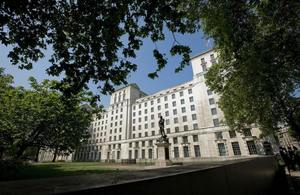
Speaking to the media at a briefing in MOD Main Building in London, Surgeon Vice Admiral Raffaelli explained that in Afghanistan there are primary healthcare providers embedded within the various units out in the field to provide care for illness and trauma and a hospital capability in Helmand.
He said that these are the first points of the pathway, involved in the immediate medical care at point of wounding. This pathway then continues with treatment in transit to Camp Bastion and then services at the hospital there, before medical evacuation back to the UK and onwards into NHS care and beyond into rehabilitation and support.
Surgeon Vice Admiral Raffaelli said that, as currently around 50 per cent of medical cases dealt with at Camp Bastion are due to explosive blasts and 25 per cent due to gunshot wounds, the nature of the injuries posed complications and required many specialists:
There is no bit in [the pathway] on its own that allows us to deal so well with these problems. It is the joined up systems that contribute to the whole,” he said.
Our focus at the very, very beginning is catastrophic bleeding and so all our soldiers are trained in applying combat tourniquets to stop the bleeding and also to use modern bandages that have mechanisms in them that help reduce the bleeding.
Also partnered with the combat troops on patrol are combat medical assistants and combat medical technicians to offer that next level of care.
A lot of the life-saving occurs at that level at the very beginning, within eight minutes of the event happening.
It is then really important that we get the individual back to the hospital complex as quickly as we can. In the past we had a very much regimented system. But now we take them straight to the most suitable facility.
We have an intelligent tasking system out there where they [medical evacuation team commanders] know the type of injuries, they know the location, they know the fire situation on the ground, and they will make a decision on the best asset to go out quickly to get that person sorted.
We can do it on the ground or we can use helicopters.
He went on to explain that UK MERT-E (Medical Emergency Response Team - Enhanced) units are partnered with Chinook helicopters and are consultant-led teams - basically taking the equivalent of a small Accident and Emergency department in the UK out to a casualty:
They will begin the high level resuscitation - be that transfusion, anaesthetic or whatever and get them back to us [in Camp Bastion].
“They commonly get there well within 60 minutes - but I would emphasise that care begins when they get there not when they get them back.”
Surgeon Vice Admiral Raffaelli said that the specialists at Camp Bastion are drawn from a range of areas - not just the three full-time Services and Reserves but also coalition partners and areas of the NHS - who will volunteer for tours in Afghanistan.
He went on to say that the aim of medical care in Camp Bastion is to fully stabilise the patient and carry out emergency procedures such as limb salvage:
Then the important thing is to get them back to the UK safely for the next phase,” the Surgeon General said.
The RAF are absolute world leaders at this - providing that in-flight basic care to get our people back.
It is not uncommon that you are out on patrol and then you wake up back in the UK within 24 to 48 hours.
At this point [on arrival in the UK] care is handed from the Defence Medical Services capability to the National Health Service - because they are the definitive care in the UK for hospital-level treatment.
Though, of course, we don’t give them up in any way… our staff will go with the medical casualty in the ambulance to continue that continuity of presence.
Patients are then currently taken to Selly Oak Hospital and from 17 June 2010 will be taken to the new Queen Elizabeth Hospital Birmingham, where they will be in the care of both Defence Medical Services and NHS staff.
After treatment the next step in the pathway is recuperation and rehabilitation at Headley Court in Surrey:
The British public, the media and Help for Heroes have delivered a fantastic new complex here which was opened formally last week and which we have been using since 28 April which delivers a swimming pool, a gym and a research complex so that we can begin to even further look at how we can best optimise getting these men and women back to work in the future.
Surgeon Vice Admiral Raffaelli said that the medical pathway outlined above is delivered by a range of providers from the MOD and NHS to charitable organisations; however, he emphasised that the support of the military is crucial and they provide the ‘family support’ through often very traumatic times for the patient.